Posts Tagged ‘Ganges’
Yoga as a window into Indian culture
India hits most foreign visitors with sensorial overload, especially during the first few weeks after arrival. It takes time to become acclimatized to the crowds, noise, pollution, language, culture, religious practises and the way people relate to each other, and to foreigners.
When you visit or move to any new country, there are so many things to get used to. This is especially true if the new culture is extremely different from what you’re used to. And India is about as far from orderly, efficient, sparsely populated, wealthy and cold Canada as you can get.
However, one of India’s most popular cultural exports, yoga, was readily available in my hometown (Toronto) and I practiced and studied it for well over 10 years before I set foot in India for the first time.
Magh Kumbh Mela in Haridwar, 2010
The largest gathering of humanity on earth
Millions of people gather each year in North India to take a holy dip in the sacred waters of the Ganges, Yamuna and /or the mythological Saraswati rivers. Hindu devotees, pilgrims, saints and sadhus from all over India and the world turn up in huge numbers each winter. They believe that a holy dip in the sacred rivers during the Kumbh Mela washes away sins and can help them break the cycle of life and death and attain Moksha. Read the rest of this entry »
My India list
My India list: top places, events and festivals I want to see
I believe in magic. How else can you explain that the more I travel in India, the longer the list of places I want to go gets?! I was inspired to write this list by Mighty Girl’s Mighty Life List, so here goes. Here’s my list at the time of this writing (and I am sure I am missing several things …):
Top 10
- see sunrise over the Himalayas from Tiger Hill, near Darjeeling
- watch the start of the monsoon in Trivandrum
- attend the Pushkar Camel Festival
- climb Mount Arunachala
- see a tiger! — perhaps in Kanha National Park, the place that inspired Kipling to write Jungle Book
- Read the rest of this entry »
Indian summer: 11 reasons to visit India in the summer
Published on The Matador Network, August 2009.
Photo courtesy of Jehangir Pocha
While the majority of foreign tourists travel to India in the winter, there are some who like it hot! India is a popular summer destination for European vacationers, monsoon lovers and travelers who like to swim against the stream. There are lots of good reasons for visiting India in the summer, including the profusion of summer festivals, breathtaking summer-only destinations in the Himalayas, un-crowded tourist attractions, cheaper airfares and slashed rates at many hotels and resorts.
Here are 11 things you can only do in the summer in India:
1. Eat mangoes. Early summer, before the monsoon arrives, is the hottest time of year in India. The only relief comes in the form of a sweet and succulent fruit, welcomed and revered from one end of the country to the other. In India, the mango is the “king of fruit.” Mangoes begin to trickle into markets and restaurants in April and by June the streets are full of people savouring their “utterly overpowering lusciousness,” as one mango lover said. While there are many varieties, the Alphonso is hailed as the “king of kings,” and its seasonal appearance makes the news.
Jai Ganga Mata
The Mother of India River speaks in many voices as she travels from the high Himalayas to the Bay of Bengal.
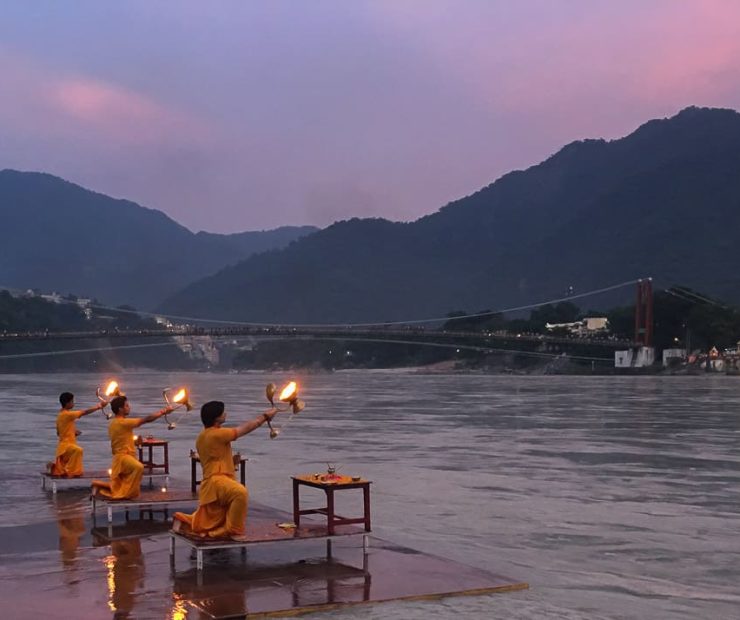
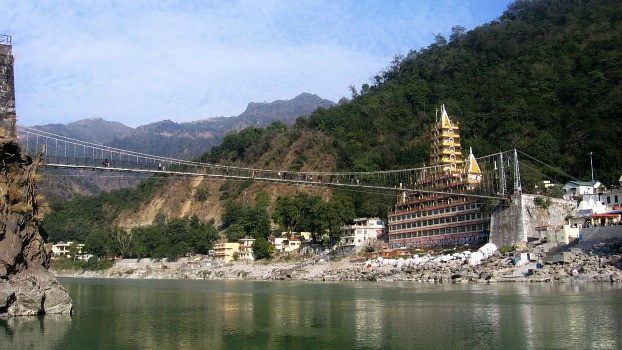
Through Rishikesh, Ganga sings as she passes through the enchanted valley ringing with bells. Her song is joyous, full of the the jubilance of youth, the rush of fresh mountain streams, the sincere chanting of pilgrims who wish her well and the excitement of the onward journey. Ganga is gorgeous in Rishikesh, jewel-green, opaque and sparkling. A beauty for the ages, decorated with flower-and-light filled offerings.
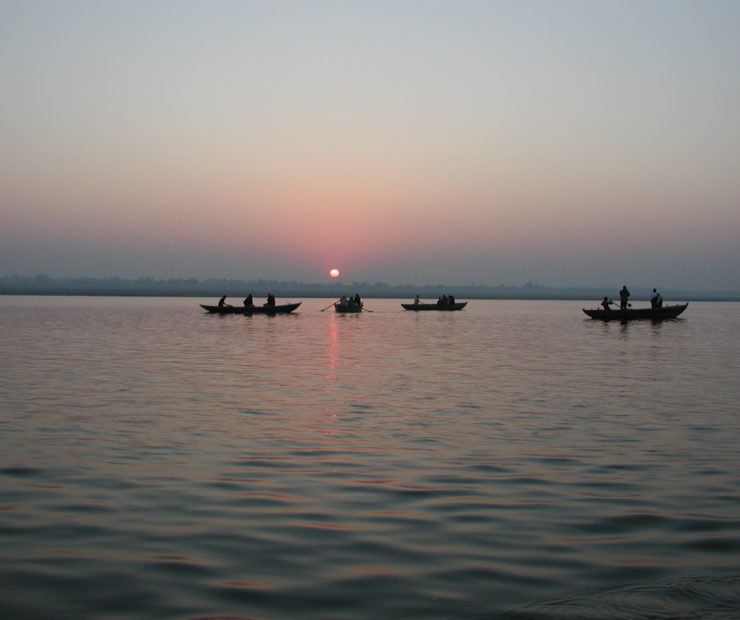
At Rishidwar, she slows a little to enjoy the mist-covered mountains, tulsi-filled meadows, low flying birds and grazing cattle. The languid movement of the surface of the water belies the depth and strength of her current and hints at a sonorous voice. Here, her deep, quiet power is felt more than heard and she imbues the surrounding countryside with sacred serenity.